The Santa Barbara area is built for drivers with two very different rhythms. On weekdays, students and staff thread their way up and down the 101 between Goleta and campus or shift between classes, jobs, and roommates with tight windows to spare. On weekends, the coastline turns into a playground of surf racks, mountain bikes, paddleboards, and boat ramps from Goleta Beach to the marina. The cars, trucks, and center consoles doing this work live two lives, and the detailing needs are just as split. Keep a commuter car tidy with fast, repeatable habits. Protect the weekend rig against salt, sun, and grit, then restore it after the fun. The right care saves time now and money later.
In Goleta, the climate lulls people into underestimating maintenance. The air feels clean, the daily temps drift between mild and ideal, and a sprinkle of marine layer gives everything a fresh look in the morning. Yet the combination of coastal salt, UV exposure that racks up year-round, eucalyptus sap, and fine dust from construction sites can punish exterior finishes and interiors alike. Add in parking under trees along El Colegio or the long-term lots near Hollister, and the paintwork takes a steady beating unless it has a protective plan.
The commuter reality in Goleta
Daily commuters, especially students and staff, deal with short hops and frequent stops. That means rapid heat cycles, constant brake dust accumulation on the front wheels, and a steady flow of food wrappers, coffee lids, and sand that hitchhikes in on shoes. If you park outside near UCSB or in the denser pockets of Isla Vista, the car will also catch fog droplets every morning. Those droplets can carry salt and grime, and when the sun burns them off by noon, they leave mineral traces that etch clear coat over time. You do not see the damage overnight, but it accumulates month by month.
Interior detailing for commuters is less about show car perfection and more about eliminating the clutter that turns a useful car into a distracting mess. The secret is cadence. Touch the interior weekly and the exterior every two weeks, and the car never crosses that line where you need a two-hour rescue session. Focus on a handful of habits that deliver disproportionate payoff: a trunk tote for loose items instead of a backseat landfill, a short-bristled brush in the door pocket to whisk dust out of vents and seams, and a small interior spray with a microfiber in the glovebox to erase fingerprints and coffee dribbles before they stain.
Weekend warriors face a different enemy
If your week is tame and your Saturday starts at Campus Point, Hendry’s, or the Santa Barbara Harbor, you need a different playbook. Saltwater dries into crystals that scratch. Surf wax smears onto door cards. Fine sand acts like sandpaper in carpet fibers and in the tiny creases of seat stitching. Bikes and boards scuff bumper covers and hatch sills. For those who run a center console or a small cuddy cabin out of the marina, the maintenance split extends to the waterline. Marine detailing can’t be a once-a-year chore in our sun belt. Gelcoat oxidizes faster than automotive clear, and salt spray creeps into hardware if it never gets rinsed.
Many drivers in Car detailing Goleta overlap these two modes. Monday through Friday, they commute. Saturday and Sunday, they haul gear or run the boat. The maintenance plan needs to be flexible and realistic. You do not need every product in the aisle. You need a short list that you use consistently and a few protective treatments that act like a force multiplier.
Why exterior protection is non-negotiable on the Central Coast
Exterior detailing without protection is like mowing the lawn without ever watering. You get short-lived results. The region’s UV index can sit in the 7 to 9 range through long stretches of the year, and that cooks plastic trim and dries out the top layer of clear coat. A simple sealant applied every two to three months will add slickness and water behavior that slows contamination. Ceramic coatings, when correctly installed, extend that window from months to years by providing a harder, hydrophobic surface that resists etching and makes washing faster.
A good paint correction before a coating matters more than the badge on the bottle. If the clear coat is swirled from years of tunnel washes on Hollister or has micro-etching from sap, trapping that damage under a coating just makes it shiny and permanent. Experienced detailers will assess the paint system, measure thickness where necessary, and polish in stages. Some cars only need a single refining pass, others require at least two cuts with different compounds and pads. The aim is to preserve clear coat while restoring clarity, not to chase 100 percent perfection at the expense of future longevity.
Where Hugo's Auto Detailing fits into the picture
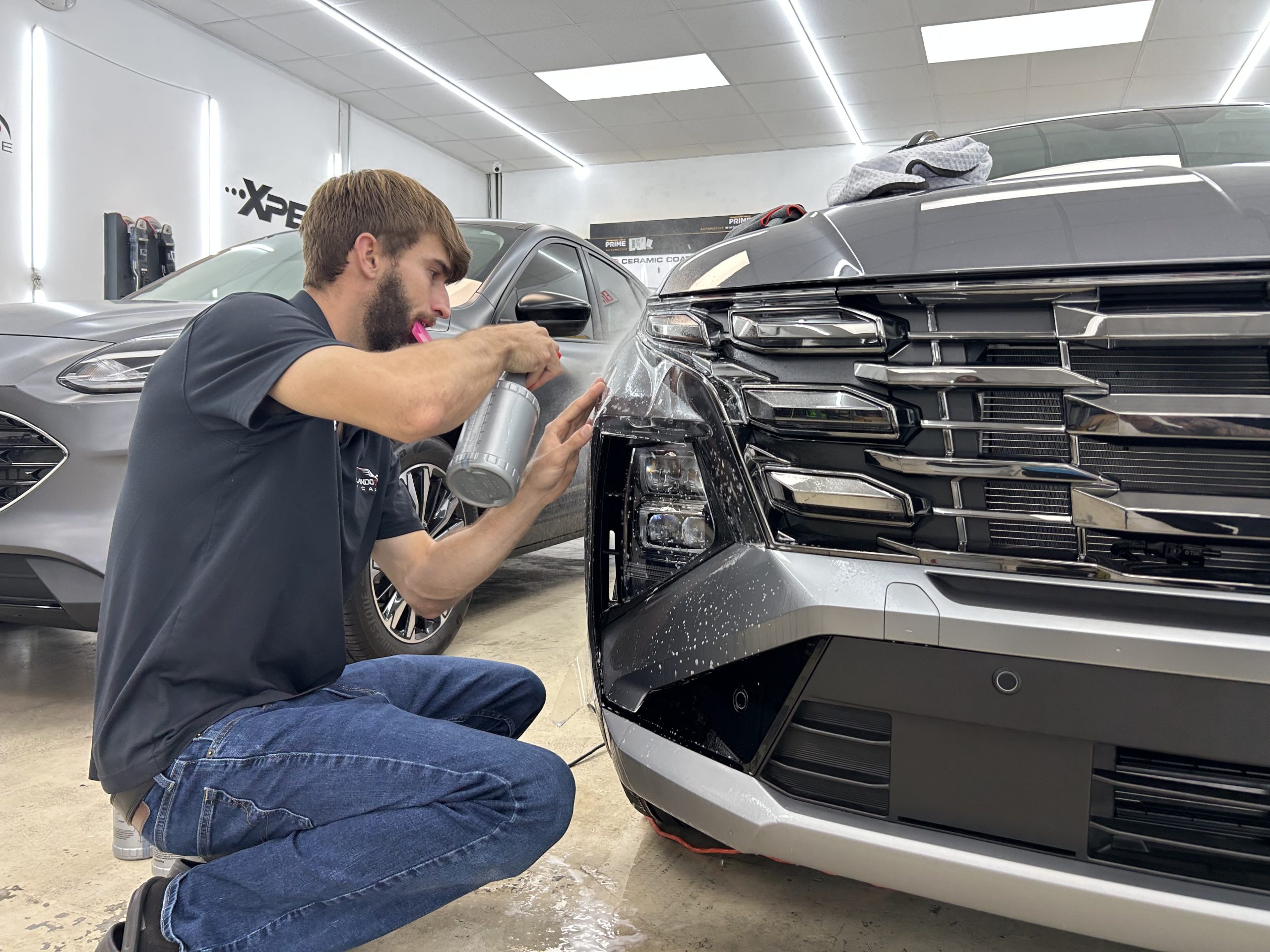
For drivers around UCSB, Ellwood, and the neighborhoods east toward Montecito, getting the cadence right often starts with a baseline service. Hugo's Auto Detailing has built routines that match the local driving patterns, not a generic package list. A commuter’s sedan with hazy headlights and baked-on bug scatter from the 217 needs a different touch than a weekend Tacoma that backs down the ramp every other Sunday. The team’s process usually begins with a decontamination wash and a careful inspection of high-risk zones, like the lower quarters behind the front wheels where grit sandblasts paint, or the plastic trim near wiper cowls that turns chalky if neglected. From there, they tune the plan to the car’s reality, not a brochure.
On marine jobs, the same crew has learned the hard way that the dockside rinse is never enough. Boats come back with ghostly rings around hardware and matte patches on the bow where the gelcoat has started to oxidize. Hugo's Auto Detailing treats those areas early, then sets up maintenance intervals that avoid the expensive big-bang correction. A light polish and seal at the right time beats a heavy compound job after another summer.
The quick interior rhythm for students and staff
Interior detailing can be knocked out in 15 to 20 minutes if you do it weekly. Start with trash and loose items, then vacuum in zones. The order that saves time: front driver area, front passenger, rear seat floor, trunk or hatch. A handheld with a crevice tool is enough if you use it consistently. Eject the floor mats, give them a shake, and vacuum both sides. The dust that accumulates on the underside will end up back on carpet if you skip it.
Wipe high-touch surfaces with an interior-safe cleaner that leaves little to no shine. Glossy dashboards reflect into the windshield, which is dangerous on bright days along the 101. Use a small brush, even a clean makeup brush, to agitate dust from vents and seams, then follow with a microfiber towel. Fabric seats respond well to a light mist of an upholstery cleaner and a dedicated interior towel, but the trick is not to soak them. Overwetting drives coffee and soda deeper. Catch the spill in the first hour and it will not stain.
For leather, treat once every three months with a modern protector that leaves a matte finish, not https://ameblo.jp/keeganqmus553/entry-12955108659.html the greasy look that attracts dirt. Most modern automotive leather is coated, which means you are cleaning the coating rather than feeding the hide. The product should emphasize clean and protect over nourish. If you are unsure, test on an out-of-sight patch and check for residue after 24 hours.
Exterior detailing without wasting a Saturday
If you live in Goleta and park outside, figure on a wash every two weeks, more often if the car sleeps under trees. The process is straightforward: pre-rinse, foam to lift dirt, rinse, then hand wash with a gentle mitt in straight lines. Rinse the mitt frequently. Dry with a dedicated towel, not the bath towel from your closet, which will drag lint and can mar soft paint. Finish with a quick sealant spray while drying. This last step adds gloss and hydrophobics that make the next wash easier.
When you see little black dots stacked along the rockers and rear bumper, that is road tar or asphalt specks from patch work on Cathedral Oaks or Fairview. Use a tar remover sparingly and re-protect the area afterward because solvents strip protection. If your wheels are black or bronze from accumulated dust, a wheel cleaner safe for your finish will break the bond, but minimize dwell time on hot wheels and always rinse thoroughly. A wheel sealant or ceramic spray on clean wheels will slash future cleanup time.
Boat detailing basics for marina regulars
Marine detailing is a different discipline. Gelcoat is porous compared to automotive clear, so oxidation shows up faster as a chalky, faded look. After a day on the water, rinse the hull and deck with fresh water as soon as you’re on the trailer or back at the slip. This is not for shine, it is for preservation. Salt crystals hold moisture and attack metal and finishes. Rinse hardware and under hinges, then dry the areas you can reach. A spray sealant formulated for gelcoat will keep water beading and slow contamination.
If you notice your hull losing gloss despite regular rinses, that is your early warning for a light polish. Do not wait a full season. Oxidation spreads, and removing it later requires more aggressive cutting that shortens gelcoat life. For owners who want longer intervals between corrections and easier cleanup after each run, a boat ceramic coating provides a durable shell that sheds grime and offers UV resistance. The prep is a larger task because you must remove existing oxidation, residues, and waxes before the coating can bond. The payoff is months to years of easier maintenance and better gloss retention.
A case for boat ceramic coating in our sun belt
Two 22-foot center consoles that live side by side in Santa Barbara can look very different after a year. One owner rinses and waxes occasionally. The other invested in a boat ceramic coating and keeps a rinse kit onboard. After 12 months, the coated boat still beads water from bow to stern and releases fish blood with a quick spray and towel. The uncoated hull looks decent from five feet away but chalks near the bow and shows water spots that no longer wipe off. Both spent time on the water and got rinsed. The difference lies in protection that shrugged off UV and salt.
Hugo's Auto Detailing sees this pattern across small fleets and weekend boats alike. The coating is not a silver bullet. It still needs maintenance. Bird droppings should be removed promptly, and hardware needs inspection. But the frequency and intensity of polishing drops, which preserves material and owner time. On balance, coatings deliver the most value when the boat is used regularly in salt and lives outdoors or in a slip.
What paint correction actually involves
Paint correction is an overused term. In practice, it means measured abrasion to level the top layer of clear coat, reducing the visibility of swirls, scratches, and etching. The detailer reads the paint’s response with test spots and lighting. A soft Japanese clear will mar easily and polish quickly. A harder German system can resist both damage and correction, demanding different pads and longer work times. The goal is to fix what you can safely remove, not to chase every last defect. If a scratch catches a fingernail, it is usually too deep for full removal without sacrificing too much clear.
A common Goleta scenario: a white or silver commuter car with dullness under parking lot lights near Calle Real. The owner uses touch washes for convenience. The car has spider webbing when viewed in the sun. A single-stage polish with a finishing pad and a diminishing abrasive compound can restore a surprising amount of clarity in half a day. Follow with a sealant or ceramic coating, and future washes will inflict less damage because the surface is slicker and contaminant build-up slows. Frequent gentle washes also mean less need for aggressive clay bars, which drag contaminants out but can mar paint if used as a crutch.
How Hugo's Auto Detailing approaches mixed-use vehicles
Mixed-use cars, like a hatchback that hauls groceries during the week and paddleboards on Saturdays, benefit from a hybrid plan. Hugo's Auto Detailing often sets up a quarterly exterior maintenance service paired with monthly interior refreshes. On the exterior, the quarterly slot includes a decon wash, iron remover for embedded brake dust on light-colored paint, and a topper sealant to bolster the base protection. Interiors get a fast vacuum, wipe-down, and glass cleaning, with deeper fabric or leather treatment every quarter.
One client in Car detailing Montecito runs a compact SUV with two kids, surfboards, and a Labrador. The car lives under shade trees. Twice a year, the team performs a light paint correction to erase the swirl buildup from constant washing and the occasional brush against branches on narrow driveways. The owner avoids a full multi-stage correction, which would eat into the clear’s future. Instead, they stick to maintenance that keeps the car presentable and protected without chasing show-car perfection. It is a practical decision calibrated to how the vehicle is used and parked.
Regional quirks: Carpinteria to Hope Ranch to Summerland
Small differences in microclimate and parking habits change the detailing plan. Car detailing Carpinteria often deals with thicker morning fog and more frequent eucalyptus sap. You spot it as amber dots that harden on paint and glass. Removal requires patience and a safe solvent, then immediate re-protection. Car detailing Hope Ranch sees more gated driveways and mature trees. The issue there is leaf tannins and shaded, damp surfaces that grow biofilm on trim and window seals if never scrubbed. Car detailing Summerland and Car detailing Montecito share strong coastal winds that blow fine sand onto parked cars. The first rinse step becomes critical. Rubbing dry grit into paint guarantees micro-marring.
Car detailing service near Goleta’s industrial corridor often reveals construction dust and overspray. If you suspect overspray, test with a gentle clay mitt on a single panel. If you feel a consistent sandy drag and see specks embedded on glass, halt and consider professional removal. Overspray removal can be straightforward if fresh, but older cases require specialized solvents and polishing. Doing it wrong can turn a five-hour job into a twelve-hour correction.
Interior protection that survives real student life
Hard plastics and soft-touch panels need products that won’t attract dust or create a slick feel. Pick interior cleaners and protectants that leave a neutral finish. Look at your steering wheel as a gauge. If it feels tacky after cleaning, you used too much or the wrong product. Fabric seats respond to fabric guards that create a hydrophobic barrier. In a commuter car, that can be the difference between blotting up a spilled latte in a minute versus spending an hour chasing a brown ring that returns every time it dries.
Floormats do heavy lifting. Rubber or thermoplastic mats with channels make sense for beach runs and rainy days. They trap sand and water, then dump out in a minute at the curb. Carpet mats look tidy but hold on to fine grit that cuts fibers. If you want the look of carpet, run rubber during the week and throw in the carpet mats for days when you are not hauling gear. Trunk liners with a small lip contain leaks from a cooler or wet wetsuits. The twenty dollars spent there saves you from mildew that lingers for weeks.

Marine detailing cadence for small boats
For those who trailer a 17 to 22 foot craft out of Goleta or Santa Barbara, the most efficient routine is rinse, dry, inspect, then spot protect. Keep a caddy with a freshwater hose attachment, a soft brush, a microfiber stack, and a spray sealant suited for gelcoat. Inspect for scuffs on the hull near the rub rail and hardware. Hit rust bloom early with a marine-safe metal cleaner before it etches surrounding gelcoat. If the boat sits in the water, schedule haul-outs for a deeper wash and inspection of the waterline. Growth and mineral scale build faster than most owners expect. Regular light cleanings beat a once-a-season grind.
Hugo's Auto Detailing builds marine detailing plans in phases: initial correction and protection, then monthly or bi-monthly maintenance based on use. Owners who fish weekly benefit from a quick deck scrub and top-up protection on high-traffic zones. Those who cruise occasionally can stretch intervals, but they still need a calendar reminder. Sun and salt do not care how many hours you drove this month.
A short checklist for time-starved commuters
- Keep a small interior kit: 1 interior spray, 1 brush, 2 microfibers, glass towel Vacuum zones weekly, including under mats and seat rails Quick-seal the paint after washes to extend protection Wipe door jambs and hatch sills monthly to prevent grime lines Rotate rubber and carpet mats based on weather and activities
Weekend warrior essentials for cars and boats
- Rinse gear before loading, especially sandy boards and bikes Use bumper guards or towels on hatch sills to prevent scuffs Rinse the boat with fresh water immediately after use Top up sealant on high-wear areas, automotive and marine Inspect for sap, tar, and rust bloom weekly, treat early
What to expect from a professional car detailing service
A proper car detailing service starts with questions, not a menu. Where do you park? How often do you wash? Do you use touch washes? What bothers you most inside the cabin? The answers shape the plan. Vehicles in daily student rotation need speed and frequency. Executive sedans parked in shade need sap control and gentle washing. Weekend trucks that tow or go off-road need undercarriage rinses and more durable protection.
Paint correction and ceramic coatings are often discussed together. A seasoned detailer will caution that coating a poorly corrected car preserves flaws. Conversely, correcting without protection sets the clock ticking until the next round. The balanced approach is often a light to moderate correction, then a coating or sealant that buys you time and makes maintenance easier. Expect the detailer to set realistic goals and to preserve clear coat over chasing vanity metrics.
A Goleta-specific mistake to avoid
Touchless washes feel safe, but the chemistry is aggressive. Strong detergents strip protection quickly and can dry out plastic trim. Brush washes are fast but leave swirling, especially on softer Japanese clear coats. Hand washing with good technique remains the safest method. If you must use a public wash, bring your own mitt and drying towels, and avoid the harsh post-wash wax arches that leave streaky residue. The five extra minutes you spend drying with your own towel save hours of polishing later.
How Hugo's Auto Detailing handles stubborn cases
Occasionally a car arrives that feels beyond rescue: oxidized paint on a 15 year old commuter in Car detailing Goleta, sap crusted along the driver’s side from years under a street tree, and interiors that smell like a mix of gym bag and spilled protein shake. Hugo's Auto Detailing breaks these jobs into layers. First, a decontamination wash with iron remover, then clay where safe, then test-spot correction under strong lighting to dial in the least aggressive solution that works. Interiors start with a deep vacuum, compressed air in seams, then targeted enzyme cleaners for organic spills. Ozone treatment only comes after physical cleaning and is used sparingly because it should not mask dirt, it should finish the job by neutralizing lingering odor molecules.
For marine detailing, a similar layered mindset applies. A cloudy hull gets a test section with a mild compound and a wool pad. If clarity returns, the team charts the boat in sections to control heat and maintain consistency. The boat ceramic coating comes after a solvent wipe, and application is staged to avoid high humidity windows along the coast that can interfere with curing.
When to seek specialized help
There are times to hand the job to a pro: overspray from a nearby paint job, etching from bird droppings that sat for a week in July, or deep water spots baked in by months of coastal fog. These issues can be improved at home, but the risk of permanent damage is high if you guess on products or technique. Professionals carry paint gauges, dedicated lighting, and a range of pad and polish combos that allow controlled correction. They also see patterns specific to Car detailing Carpinteria, Car detailing Summerland, and Car detailing Hope Ranch, which speeds diagnosis.
The maintenance mindset that pays off
A commuter car that is cleaned briefly each week, protected quarterly, and washed properly will look five years younger than one that only visits a wash tunnel. A weekend rig that is rinsed after every beach run, topped with protection monthly, and corrected lightly once a year avoids the big bill for heavy correction and trim replacement. Boats that are rinsed and sealed regularly resist oxidation and hold value better. The theme is not perfection. It is consistent, light maintenance that prevents the need for deep surgery.
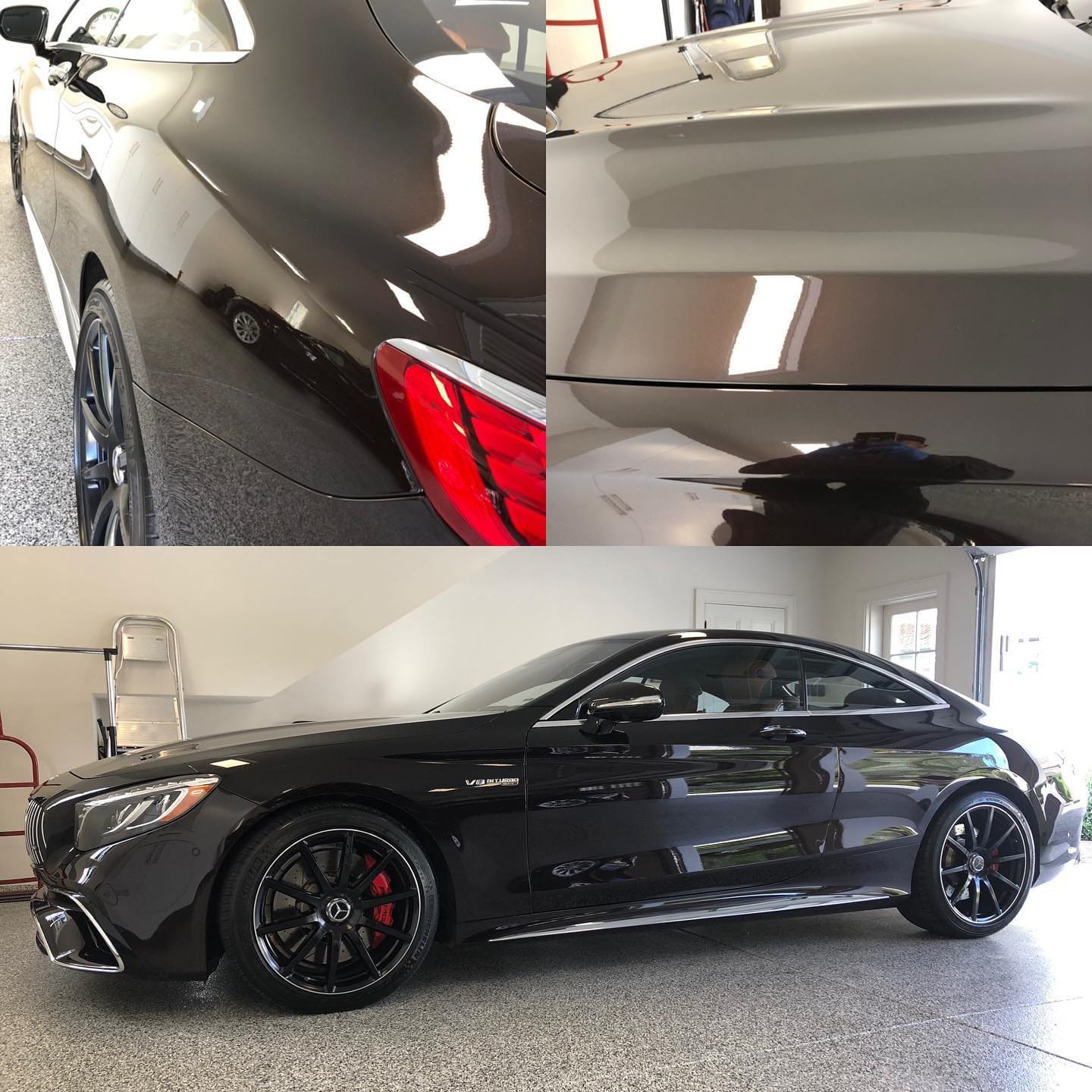
Owners throughout Car detailing Montecito and Car detailing Goleta who adopt this mindset report the same thing: maintenance feels easier, not harder. Once your car or boat sheds water and releases grime, you stop dreading cleanup. That shift is worth more than a perfect paint meter readout.
Final thoughts from the bay to the bluffs
Goleta’s mix of campus bustle and weekend coastline asks a lot from paint, fabric, gelcoat, and hardware. The path to a durable, good-looking vehicle or boat is not complicated. Protect surfaces against UV and salt, wash with care, remove contaminants early, and choose correction that preserves material. If you need a baseline reset or a long-term plan, a seasoned shop can tailor the work to your vehicle’s reality. Hugo's Auto Detailing has shaped its approach around those exact conditions, from commuter sedans parked on busy streets to small boats that see the kelp beds every other Sunday. In a place where sun and salt never take a season off, that alignment between use and maintenance is what keeps your daily driver ready for Monday and your weekend setup ready for first light.